OIC Movies Presenters
Armando Acosta
Deafened after measles as a child and the only Deaf person in his family, Armando’s mother searched for the best educational option for him, eventually enrolling him in a school where he began learning sign language—often in an oral-only environment where signing was discouraged. Through persistence and support from Deaf friends, Armando embraced signing as his preferred way to communicate and built a strong sense of identity and belonging.
After moving to the United States around 1996, Armando built a long working career, including 21 years at a factory where he advanced into hands-on work he enjoyed. He later transitioned into carpet cleaning and flood-damage restoration, using creative communication strategies on the job and even teaching coworkers some sign language.
Marta Belsky
Paul Chen
is a Deaf artist and mechanic originally from Formosa (Taiwan) who moved to Toronto, Canada as a teenager and later built a long career working in Michigan. Trained in art through rigorous mentorship and formal study, Paul earned a scholarship to a competitive college in Oakville and graduated near the top of his class—often as the only Deaf student in large hearing institutions and without interpreters. His work ethic and talent helped him thrive in environments where he relied on writing, notes, and determination to succeed.
Paul has spent decades balancing two skilled trades: professional art and automotive repair. He created commercial artwork for major automotive clients (including dealer display materials) eventually operating his own car repair business.
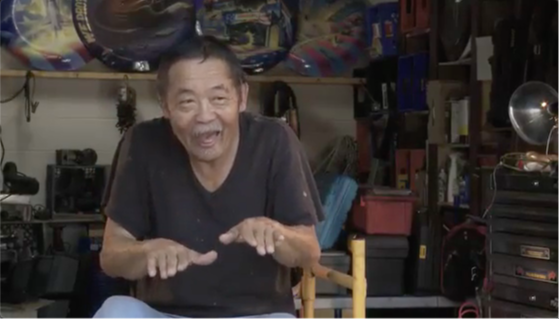
Val Keyworth
is a natural storyteller whose life experiences blend humor, warmth, and insight into Deaf life and family traditions. Raised in northeastern Michigan near Sault Ste. Marie, Val grew up in a large, close-knit family where summers were filled with swimming, laughter, and memorable adventures at Caribou Lake. Her childhood memories—especially the surprising discovery years later about why the lake water was so warm—reflect her ability to find humor and meaning in everyday experiences.
Val’s stories often center around family, holidays, and travel mishaps, including an unforgettable Thanksgiving turkey turned upside down in the oven and a humorous airport experience involving an unexpected wheelchair escort simply because she was deaf. Through these lived experiences, she captures the richness of Deaf culture, resilience, and the importance of perspective. Val’s storytelling style is engaging, reflective, and filled with gentle humor that resonates across generations.
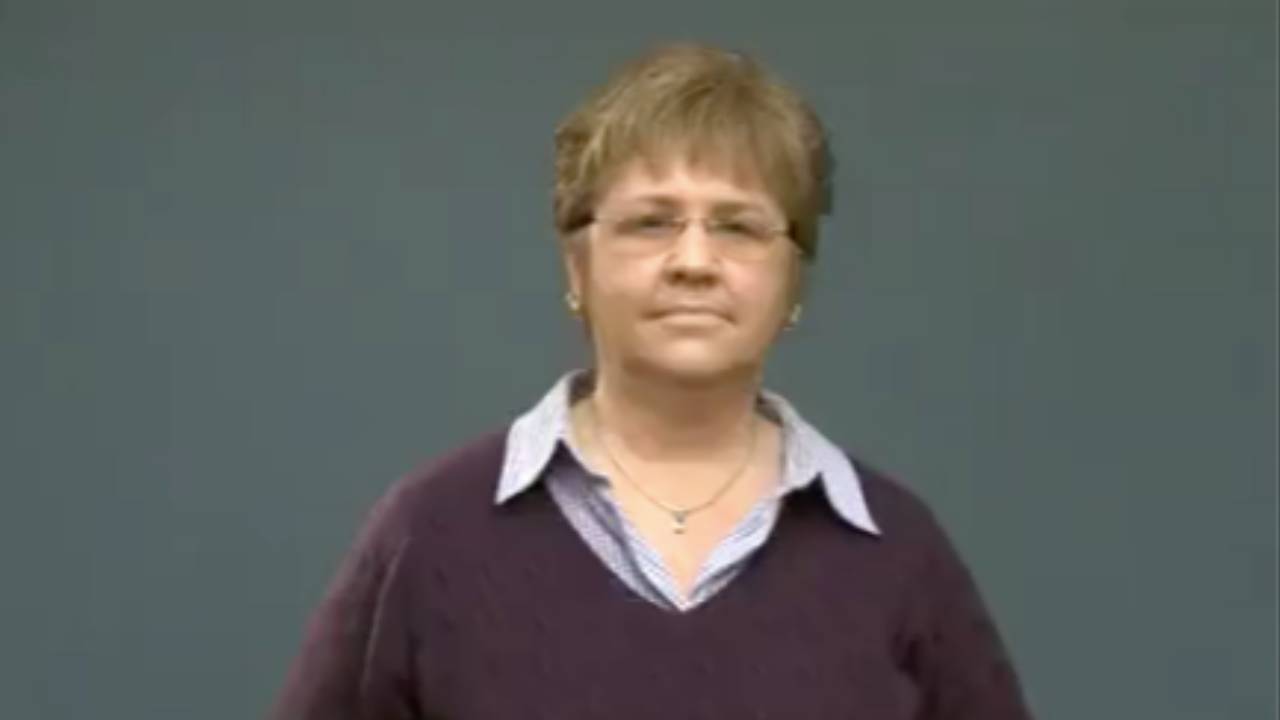
Kathleen Kinnee
grew up in an oral environment where speech was her primary mode of communication. When her sister returned home from college signing, Kathleen began learning ASL and secretly taught classmates and neighbors whenever she had the chance, despite limited support at home.
Later, after attending a deaf school and studying at Gallaudet University, Kathleen developed confidence and pride in her Deaf identity. She advocates for using both ASL and speech, emphasizing that bilingual communication supports stronger language development rather than limiting it.
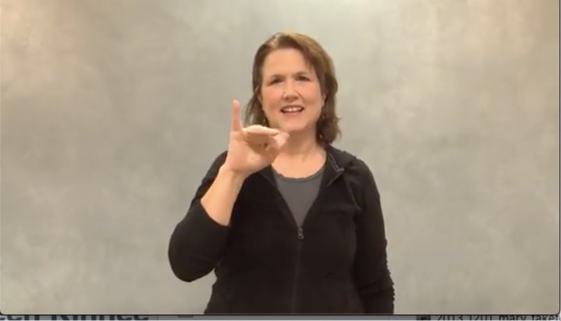
Mary Luczki
is a Deaf educator, nationally certified interpreter, and longtime advocate for bridging communication between the Deaf and hearing communities. Raised in a Deaf family and hard of hearing as a child, she brings a unique perspective as both a provider and consumer of interpreting services. Bilingual and bicultural in ASL and English, Mary has mentored generations of interpreters—many of her former students now work in the field.
With more than 45 years of teaching experience, Mary has led ASL classes, workshops, and seminars at institutions including Wayne State University, the University of Michigan, Washtenaw Community College, and Baker College.
Mary’s lifelong passion is closing the language and cultural gap between the Deaf community and the hearing world.
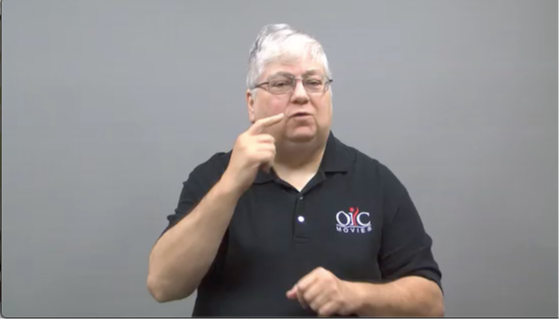
Tom Luczki
Born in Detroit with nerve deafness, Tom grew up as the only Deaf member of his hearing family and was educated during an era when oral communication was required in school. After attending Detroit Day School for the Deaf through ninth grade, he was mainstreamed into a hearing high school and later completed two years of engineering drafting college—navigating his education and early career without interpreters.
Tom worked for 15 years as a draftsman in the automotive field, overcoming significant communication barriers in the workplace. Over time, he discovered a deeper passion for visual creativity, woodworking, photography, and designing humorous hand-crafted signs. He also developed visual teaching tools to make Biblical concepts more accessible to Deaf audiences, combining images and storytelling to bridge language gaps.
April Lindbergh
grew up in the Detroit area, raised by her single mother in Grosse Pointe. Her deafness was discovered at age three after she did not respond to loud noises, leading to a medical diagnosis that changed everything. With no prior knowledge of Deaf education, her mother struggled to find appropriate support until enrolling April at the Detroit Day School for the Deaf, where she began developing language and communication skills.
She later attended the Maryland School for the Deaf, where she experienced a life-changing cultural shift. Immersed in ASL and the Deaf community, April embraced her identity with confidence and pride. Today, she proudly identifies as 100% Deaf, grounded in language, culture, and community.
Kenya Lowe
Kenya comes from a strong Deaf family background: her birth mother is Deaf, her father is a CODA, and many relatives on her father’s side are Deaf. Growing up with a mix of home signs and signing support from her dad shaped her confidence and identity early on.
Kenya’s first job was at J.C. Penney’s at sixteen, where she worked without an interpreter and relied on lipreading and determination. After college at Michigan State University, she worked in education supporting Deaf and hard of hearing students before moving into telecommunications access services. She started at Ameritech (now AT&T) as a relay translator, was promoted to manage a traditional relay call center, and later advanced into marketing for AT&T Relay—combining her passion for access, technology, and uplifting Deaf people through advocacy and high expectations.
Cassie Simmons
is a Deaf ASL storyteller and comedienne from Detroit, Michigan. The only Deaf member of her family, she discovered her love of performance through drama and “singing hands” at Detroit Day School for the Deaf and the Michigan School for the Deaf. In 2009, she launched her ASL comedy career, drawing on real-life experiences and sharing them in her uniquely expressive and entertaining style.
Her work often highlights humorous and relatable moments—such as people repeatedly mistaking her name for “Kathy”—while thoughtfully exploring accents, communication barriers, and the everyday challenges Deaf and hard-of-hearing individuals face.
Pam
became Deaf in infancy after a head injury affected her balance and hearing. She was enrolled at the Michigan School for the Deaf at age two and graduated in 1972, growing up during a time when lipreading was often emphasized over sign language. Determined to communicate fully, Pam and her Deaf sister encouraged their parents to learn to sign, eventually strengthening communication within their family.
Pam later married and raised two children, including a daughter who became deaf in one ear after an infection and went on to attend Gallaudet University. Through her life experiences—as a Deaf daughter, sister, mother, and advocate—Pam has witnessed the importance of early language access and family support.
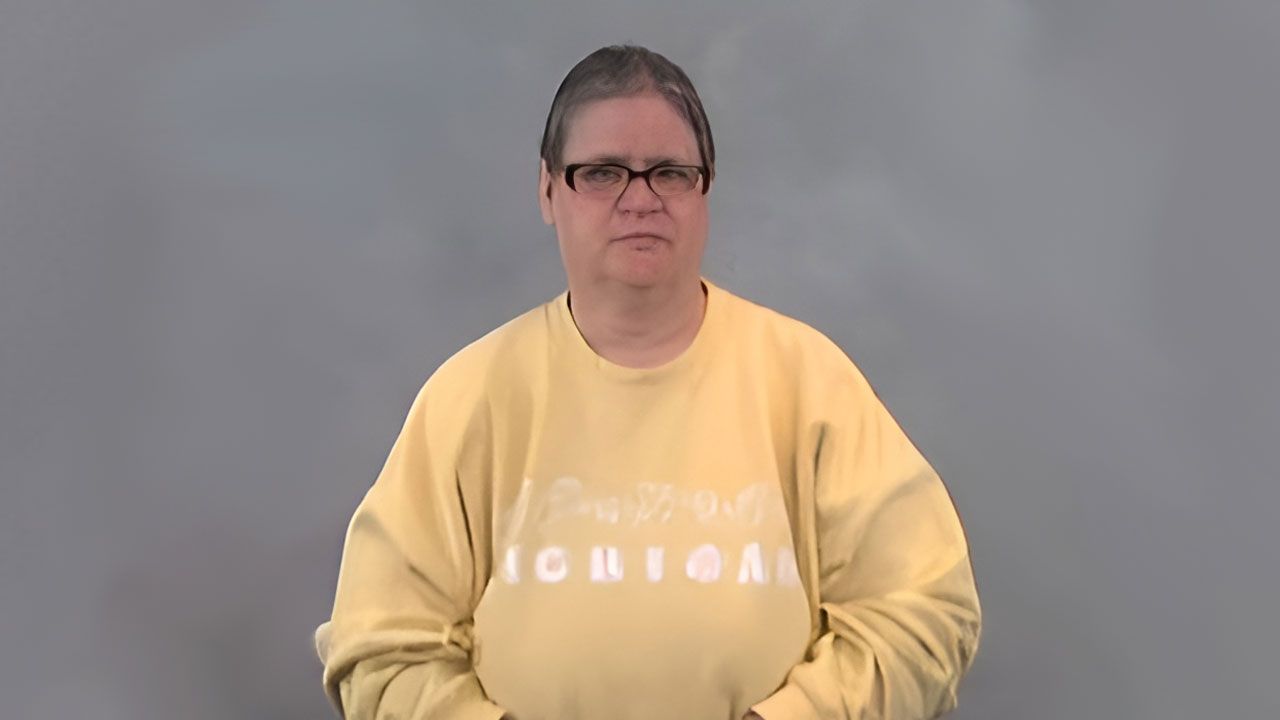
Alex Pishek
was born in Detroit and began his education in an oral program at Detroit Day School, where speech training and hearing aids were central to learning. As a child, he wore a box-style hearing aid and worked hard in speech classes, earning small rewards for his progress. When his family moved to Flint, Alex gradually shifted away from oralism and embraced signing, discovering a deeper connection to Deaf culture. At the Michigan School for the Deaf, he experienced a range of communication philosophies — from oralism and Signed Exact English to Total Communication — and began forming a strong sense of Deaf identity.
Throughout his school years, Alex became increasingly aware of the impact language access has on learning. He vividly recalls the turning point in 10th grade when he had a Deaf English teacher who fully understood his questions and explained complex grammar in a way that made sense. That experience solidified his belief in the power of ASL and Deaf educators.
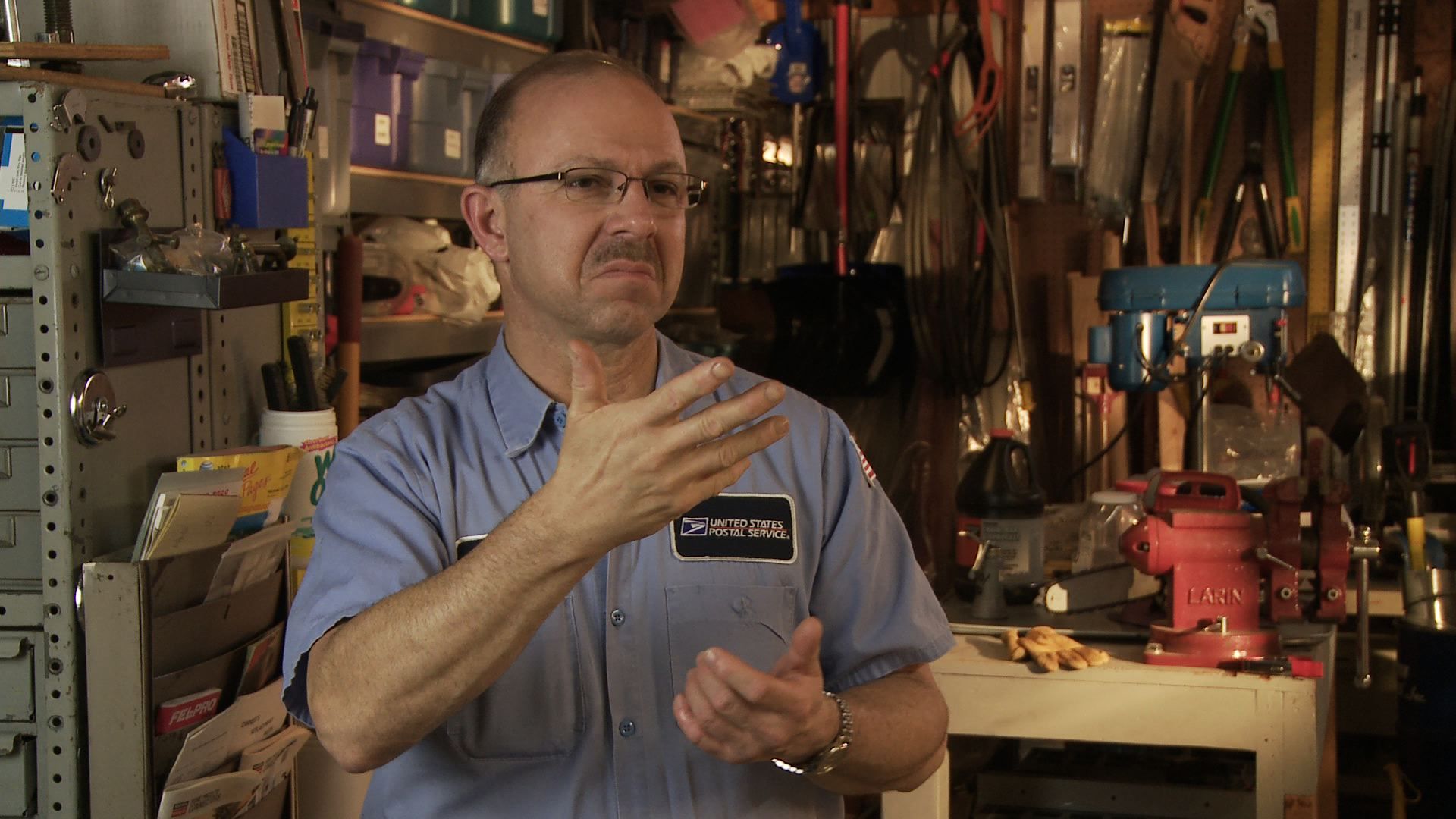
Anna Pishek
Born in Detroit to immigrant parents from the Greek island of Samos, Anna lost her hearing as a baby after a severe childhood illness. Raised in a primarily hearing, Greek-speaking home with limited communication access, she later discovered sign language through a Deaf coworker and found belonging in Detroit’s Deaf community.
During World War II, Anna worked at Ford’s River Rouge plant producing airplane parts, later holding positions in factories, retail, and healthcare across Detroit and Flint. She married a Deaf man she met through the Deaf club and built a signing household, raising children and advocating for Deaf education and language access. Having experienced strict oral-only schooling herself, Anna remains a strong believer in the power of ASL and the importance of full communication for Deaf children and families.
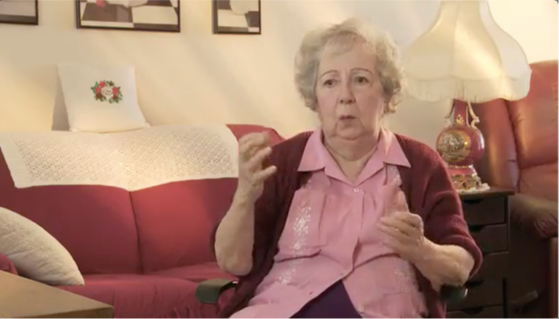
Bernie Pitt
was born in Alpena and raised in the small town of Hillman, Michigan, where she grew up with horses and her Deaf sister in a mostly hearing family. At home they used homemade signs and writing to communicate. She later attended the Michigan School for the Deaf (MSD) in Flint, staying on campus for two weeks at a time and traveling three hours home on weekends. Although oral methods were emphasized in school, she learned to sign fluently with her peers and especially valued teachers who used sign language. Her time at MSD shaped her independence, resilience, and strong Deaf identity.
After graduation, Bernie worked in factory jobs, including Buick and Pontiac, before accepting a buyout during layoffs so she could focus on raising her daughter. She is a proud mother of three hearing children, all of whom she taught to sign. Now a homemaker, she enjoys decorating her house and values the ease of communication she shares with her husband, appreciating the difference between limited home signs growing up and full access to language in her own family.
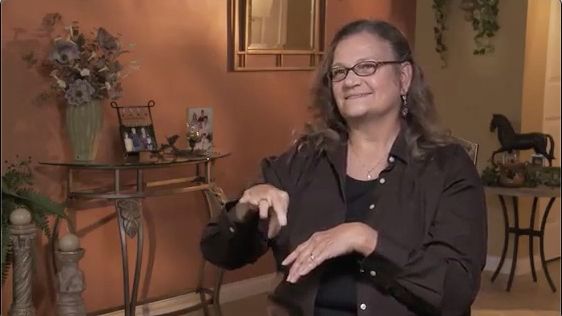
Todd Pitt
grew up in Midland, Michigan, as the only Deaf member of his hearing family. After becoming deaf at a young age due to a high fever, he attended the Michigan School for the Deaf, where he developed a love for hands-on learning, skilled trades, and working with his hands. Throughout his life, Todd has built a wide range of skills through careers in manufacturing, auto body repair, electrical work, and construction, demonstrating a strong work ethic and commitment to lifelong learning.
Todd enjoys exploring new technology and finding practical solutions to everyday challenges. He values faith, community, and clear communication, and takes pride in sharing his experiences as a Deaf professional and lifelong learner. Through his story, Todd offers insight into the resilience, creativity, and problem-solving that have shaped his life and identity.
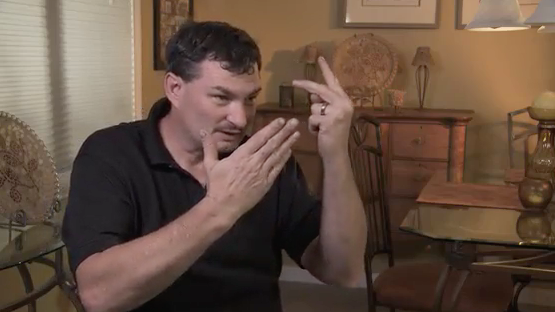
Bill Ramsey
is from Wyandotte, Michigan, and became deaf as a child after a prolonged illness and life-saving treatment for TB and meningitis. Raised in a hearing family and mainstreamed in public school, Bill developed strong skills in reading, writing, and lipreading, graduating near the top of his class while navigating communication barriers at home and in school. Over time, he expanded into signing and built a bilingual life that includes both spoken English and sign language.
Bill’s career reflects adaptability and determination—from years in the produce department at Farmer Jack, to insurance sales, to owning a nighttime office-cleaning business that allowed him flexibility for preaching and teaching the Bible within the Deaf community. He later supported himself through a mix of part-time work, teaching sign language, and seasonal jobs, and is now retired. Bill’s story emphasizes persistence, lifelong learning, and finding meaningful ways to work and serve the community.
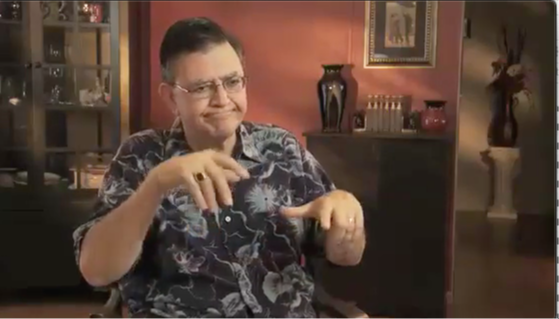
Lorna Vance
was born in Detroit and grew up in a family with both Deaf and hearing siblings. As a Deaf child navigating a largely hearing world, she learned to balance communication across different environments while maintaining a strong connection to the Deaf community. At a summer gathering hosted by her Deaf school community, she met her future husband, Garry, and together they built a family, raising three hearing sons while sharing the values and traditions of Deaf culture.
Creative, curious, and always eager to learn new skills, Lorna enjoys a wide variety of hobbies, including painting, crafts, jewelry making, cross-stitch, puzzles, and computer games. Throughout her life, she has embraced new technologies that improve access for Deaf people while remaining deeply connected to the friendships and community relationships that have enriched her life. Through her story, Lorna shares reflections on family, communication, creativity, and the freedom she finds in living and connecting through sign language.
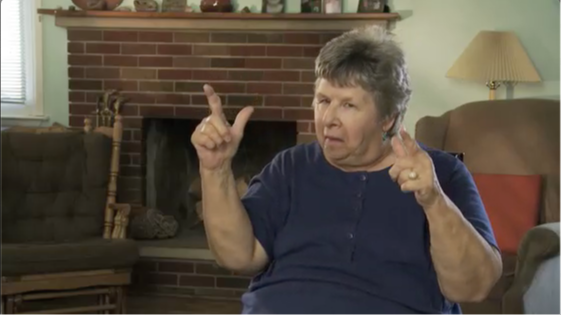
Judy Vardon
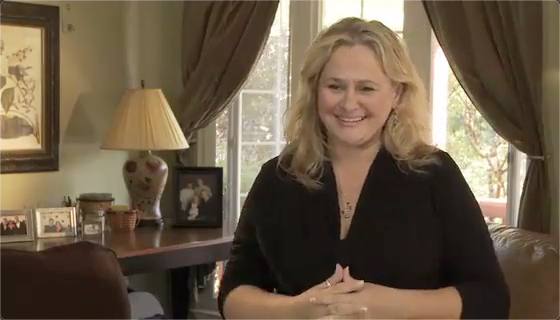
Dianne
was mainstreamed in hearing schools with little support and no access to sign language, often feeling isolated and frustrated despite her strong academic performance. In 11th grade, a counselor recognized her potential and successfully advocated for her early admission to Gallaudet University, where she skipped her senior year of high school and entered at the freshman level.
Although her transition from an oral upbringing to the Deaf community was challenging, Dianne immersed herself in sign language and campus life, eventually thriving both socially and academically. She graduated with honors and credits her experience at Gallaudet with transforming her identity, confidence, and understanding of communication.
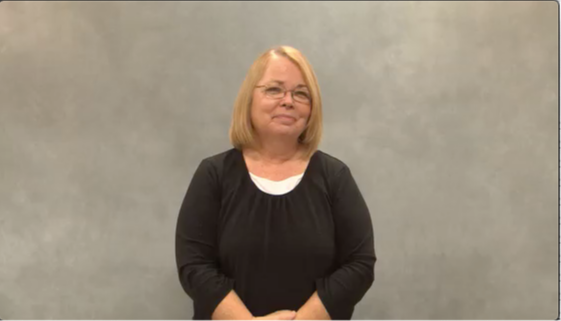
Tiffany
reflects on her experience in a mainstream oral program where she felt isolated, unable to fully communicate, and limited to interacting mostly with her interpreter and her mother. After meeting someone from MSD and later touring the school in July 2011, she realized she wanted a Deaf-centered environment where she could sign freely, ask questions openly, and connect with peers; despite her mother’s initial fears, Tiffany enrolled as a freshman and describes the transition as life-changing, with noticeable growth in her communication and overall well-being.